
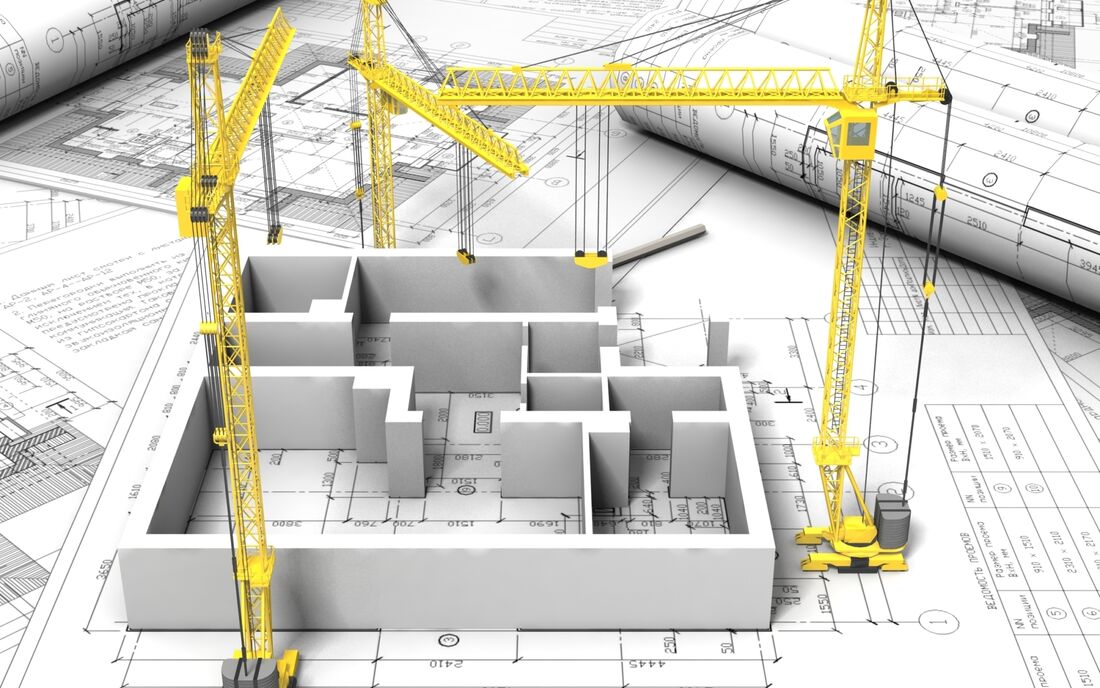
Disputes in construction projects are common, often arising due to delays, cost overruns, or disagreements over project specifications. Resolving these disputes efficiently and fairly is crucial to maintaining project timelines and budgets. One innovative tool that has emerged to aid in this process is 4D planning, which integrates time into the traditional 3D model, adding a new dimension to project visualization and management. Let’s explore the advantages of 4D planning in dispute resolution in construction.
Enhanced Visualization
One of the primary benefits of 4D planning is the enhanced visualization it provides. By integrating the construction schedule into the 3D model, stakeholders can visualize the entire construction process, identifying potential clashes, delays, or other issues before they occur. This visual representation can help in understanding the sequence of activities and their impact on the project timeline. 4D planning improves communication among project stakeholders by providing a visual representation of the construction process. This can help in explaining complex construction sequences and schedules to clients, contractors, and other stakeholders, reducing misunderstandings and disputes.
Early Detection of Issues
By simulating the construction process in a virtual environment, 4D planning allows for the early detection of issues such as clashes, sequencing problems, or resource constraints. This early detection enables stakeholders to address these issues proactively, reducing the likelihood of disputes arising later in the project. 4D planning provides accurate documentation of the construction process, including the sequence of activities, resource allocation, and project milestones. This documentation can be invaluable in resolving disputes by providing an objective record of the project’s progress and any changes that have occurred.
Demonstrating Delay Impact
4D planning can be particularly useful when submitting delay claims. By comparing the planned construction schedule with the actual progress, stakeholders can clearly demonstrate the impact of delays on the project timeline. This can help in substantiating delay claims and supporting negotiations for extensions of time or compensation.
In conclusion, 4D planning offers several advantages in dispute resolution in construction. Using 4D planning enhances visualization, improves communication, enables early detection of issues, provides accurate documentation, and facilitates improved decision-making. Incorporating 4D planning into construction projects can help in resolving disputes more efficiently and effectively.
Need Expert Guidance?
Looking to enhance your project visualization with schedule BIM integration? Connect with us for expert insights and let’s drive your project productivity forward together!


You can explore related articles below for more insights!


If you have any queries, you can contact through the channels: