
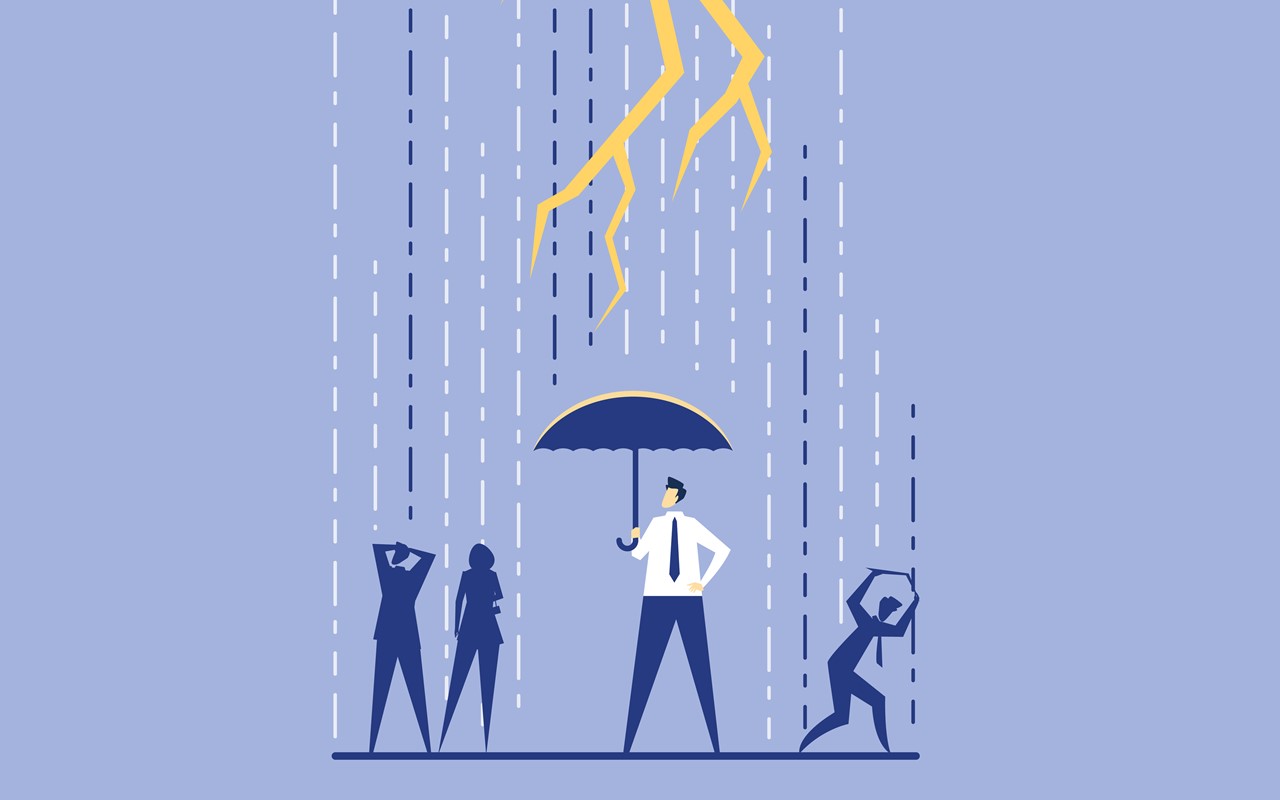
Adaptation and resilience to black swan events in construction risk management are essential for mitigating the potential impacts of these unpredictable and highly disruptive events. Black swan events are rare and unforeseen incidents that have significant consequences and are difficult to predict or plan for in advance.
Natural Disasters: Unpredictable and severe natural events such as earthquakes, hurricanes, floods, or wildfires can cause significant damage to construction projects. These events often occur with little warning and can result in delays, destruction of infrastructure, and increased costs.
Supply Chain Disruptions: Sudden disruptions in the supply chain, such as a major supplier going out of business, a critical material shortage, or geopolitical issues affecting the availability of resources, can significantly impact construction projects. These disruptions can lead to delays, increased costs, and the need to find alternative suppliers or materials.
Economic Downturns: Sharp economic downturns, such as recessions or financial crises, can have a profound impact on the construction industry. Reduced investment, tightened credit markets, and decreased demand for construction projects can lead to delays, cancellations, and financial difficulties for construction firms.
Political Instability: Political instability, including changes in government, policy shifts, or civil unrest, can disrupt construction projects. Permitting delays, regulatory changes, or project cancellations due to political factors can have a significant impact on project timelines and financial viability.
Pandemics and Health Emergencies: Global health emergencies, as witnessed during the COVID-19 pandemic, can severely impact construction projects. Lockdown measures, labor shortages, supply chain disruptions, and heightened safety requirements can lead to project delays, increased costs, and logistical challenges.
Here are some strategies that can help improve adaptation and resilience in construction project risk management:
Robust Risk Assessment
Conduct a comprehensive risk assessment that considers a wide range of potential risks, including black swan events. This should involve identifying and analyzing various risks, both common and uncommon, and assessing their potential impacts on the project.
Scenario Planning
Incorporate scenario planning into the risk management process. Develop multiple scenarios, including extreme and unlikely events, and assess their potential effects on the project. This helps project stakeholders anticipate and prepare for unexpected situations.
Contingency Planning
Establish contingency plans that outline alternative strategies and actions to be taken in the event of a black swan event. These plans should include clear guidelines on how to respond, adjust project schedules, reallocate resources, and minimize disruption.
Robust Communication and Collaboration
Foster open and effective communication among project stakeholders, including contractors, suppliers, and project owners. Encourage collaboration and knowledge sharing to enhance the ability to respond swiftly to unforeseen events. Strong communication channels enable quick decision-making and facilitate the implementation of contingency plans.
Flexibility and Agile Project Management
Adopt agile project management methodologies that emphasize flexibility, adaptability, and continuous improvement. This approach allows for rapid adjustments in project plans and resource allocation to accommodate unforeseen events effectively.
Redundancy and Diversification
Introduce redundancy and diversification strategies to reduce the vulnerability of critical project components. For example, using multiple suppliers for essential materials or having backup equipment available can help mitigate the impact of disruptions caused by black swan events.
Regular Risk Monitoring and Evaluation
Continuously monitor and evaluate risks throughout the project lifecycle. This includes tracking emerging risks, reassessing the likelihood and potential impacts of black swan events, and updating risk management strategies accordingly.
Learning from Past Experiences
Analyze and learn from past projects, especially those affected by black swan events. Identify lessons learned and incorporate them into future risk management plans. This iterative learning process enhances adaptive capabilities and resilience.
Insurance and Financial Planning
Consider obtaining appropriate insurance coverage for potential black swan events. Consult with insurance experts to ensure the project is adequately protected. Additionally, engage in financial planning to create reserves or contingencies that can be accessed if needed.
Stakeholder Engagement and Support
Engage project stakeholders, including local communities, regulatory bodies, and other relevant parties, in risk management efforts. This collaborative approach increases awareness, support, and resources available to address unforeseen events effectively.
By implementing these strategies, construction project teams can enhance their ability to adapt and respond to black swan events, thereby minimizing the negative impacts and improving the overall resilience of the project.
Need Expert Guidance?
Looking to enhance your project risk management? Connect with us for expert insights and let’s drive your risk reporting forward together!


You can explore related articles below for more insights!


If you have any queries, you can contact through the channels: