
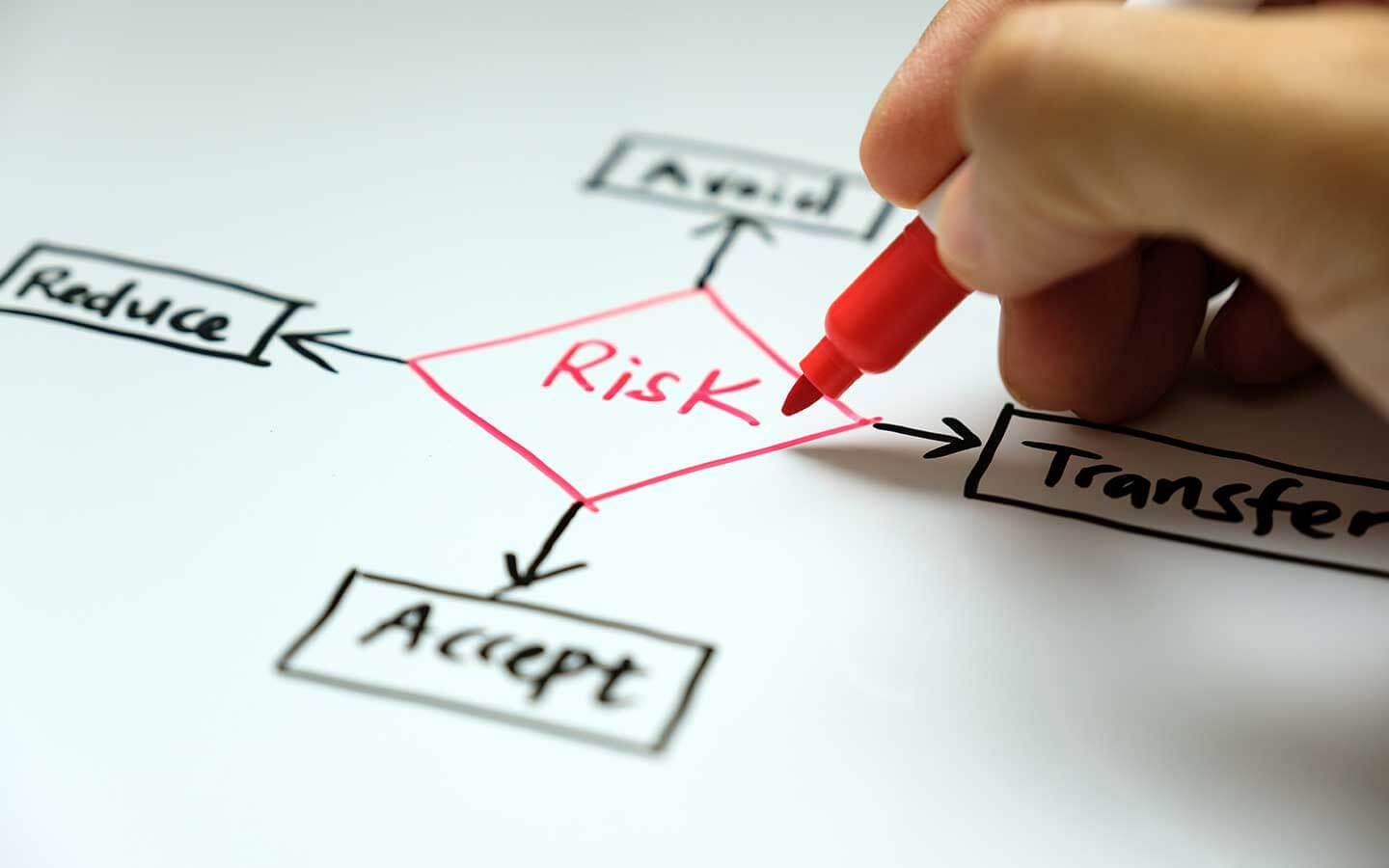
Risk mitigation in construction projects involves taking proactive measures to reduce the likelihood and impact of potential risks. Construction projects are inherently complex and involve various risks that can impact the project’s success. Here are some of the most common risks and mitigation measures in construction projects:
Safety Risks
Construction sites can be hazardous, leading to accidents, injuries, or even fatalities. Safety risks arise from inadequate safety measures, non-compliance with regulations, improper training, and lack of supervision.
- Implement comprehensive safety programs, including regular safety training, safety inspections, and the use of personal protective equipment (PPE).
- Adhere to safety regulations and standards.
- Conduct hazard assessments and implement measures to eliminate or minimize risks.
- Provide clear communication channels for reporting safety concerns or incidents.
Budget and Cost Overruns
Construction projects are often subject to budgetary constraints. Risks such as inaccurate cost estimation, unforeseen expenses, change orders, material price fluctuations, and delays can lead to cost overruns, affecting the project’s financial viability.
- Conduct thorough and accurate cost estimation during the planning phase.
- Implement effective cost control measures, such as tracking expenses, monitoring project progress, and conducting regular budget reviews.
- Develop contingency plans and allowances for unforeseen costs.
- Regularly communicate with stakeholders to manage expectations and address potential budget issues proactively.
Schedule Delays
Delays can occur due to various reasons, including adverse weather conditions, permit issues, design changes, labor shortages, equipment breakdowns, or subcontractor delays. Project delays can result in additional costs, contractual penalties, and reputational damage.
- Develop a realistic and achievable project schedule, considering potential risks and contingencies.
- Regularly monitor and update the project schedule.
- Maintain open communication with all stakeholders to identify and address potential delays promptly.
- Implement strategies such as resource leveling, critical path analysis, and proper project sequencing to mitigate scheduling risks.
Design and Engineering Issues
Errors or omissions in project designs, engineering calculations, or specifications can lead to construction defects, rework, or costly modifications. Inadequate coordination among project stakeholders can contribute to design-related risks.
- Conduct thorough design reviews to identify potential errors or omissions.
- Ensure effective collaboration and communication between design professionals and construction teams.
- Engage experienced and qualified design professionals.
- Regularly monitor the design process and conduct quality checks to identify and resolve issues early.
Quality Control and Defects
Poor workmanship, substandard materials, inadequate supervision, or non-compliance with specifications can result in construction defects and compromised quality. Defects may require rework, delays, and additional expenses to rectify.
- Implement a comprehensive quality management system.
- Establish clear quality standards and specifications.
- Conduct regular inspections and quality audits throughout the construction process.
- Provide adequate training to construction teams on quality standards and procedures.
- Encourage open communication channels for reporting and addressing quality concerns promptly.
Contractual and Legal Risks
Construction projects involve multiple parties with various contractual obligations. Risks can arise from contract disputes, inadequate risk allocation, non-performance by contractors or subcontractors, delays in obtaining permits, or non-compliance with regulations, leading to legal liabilities.
- Ensure that contracts are comprehensive, well-drafted, and clearly define the responsibilities and obligations of all parties.
- Engage legal professionals to review and negotiate contracts.
- Regularly monitor contract compliance and address any issues promptly.
- Maintain accurate and detailed project documentation to support claims or defenses in case of disputes.
- Engage in alternative dispute resolution methods, such as mediation or arbitration, to resolve disputes amicably.
Environmental Risks
Construction activities can have environmental impacts, such as pollution, habitat destruction, or non-compliance with environmental regulations. Failure to address these risks can result in legal consequences, fines, or project shutdowns.
- Comply with all applicable environmental regulations and obtain necessary permits.
- Implement environmental management plans to minimize environmental impacts.
- Train workers on proper environmental practices.
- Conduct regular environmental inspections and monitoring.
- Have contingency plans in place to address unforeseen environmental events.
Stakeholder Management
Poor communication, conflicts, or disputes among project stakeholders (owners, contractors, subcontractors, suppliers, regulatory authorities, local communities) can hinder project progress, compromise decision-making, and lead to delays or legal issues.
- Establish effective communication channels with all stakeholders.
- Conduct regular project meetings to address concerns, provide updates, and foster collaboration.
- Maintain transparency in decision-making processes.
- Proactively identify and resolve conflicts through open dialogue and negotiation.
- Engage in community outreach and public relations efforts to address local community concerns.
Technology and Innovation Risks
Adopting new technologies or innovative construction methods can present risks, including technical challenges, compatibility issues, or inadequate training. Failure to manage these risks can lead to cost overruns, delays, or performance issues.
- Conduct thorough research and pilot projects before implementing new technologies or construction methods.
- Provide adequate training and support to workers for the successful adoption of new technologies.
- Engage experienced consultants or specialists to assist in the implementation and management of new technologies.
- Develop backup plans and alternatives in case of technical failures or compatibility issues.
Force Majeure Events
Unforeseen events beyond the project’s control, such as natural disasters, political instability, pandemics, or economic crises, can disrupt construction activities, cause delays, or impact the availability of labor, materials, or financing.
- Conduct a thorough risk assessment to identify potential force majeure events and their potential impacts.
- Develop contingency plans to mitigate the effects of force majeure events.
- Establish emergency response plans and procedures.
- Maintain appropriate insurance coverage to mitigate financial risks associated with force majeure events.
- Regularly monitor external factors and adjust plans accordingly in response to potential threats.
It’s important to note that these risks can vary depending on the project’s scale, location, complexity, and other factors. Effective risk mitigation in construction projects, proactive planning, proper documentation, and collaboration among project stakeholders can help mitigate these risks and enhance the chances of successful project delivery. Risk mitigation in construction projects should be tailored to the specific project’s characteristics, risks, and constraints. It’s crucial to involve all project stakeholders in the risk management process and regularly reassess and adjust mitigation measures as the project progresses.
Need Expert Guidance?
Looking to enhance your project risk awareness? Connect with us for expert insights and let’s drive your project risks together!


You can explore related articles below for more insights!


If you have any queries, you can contact through the channels: