
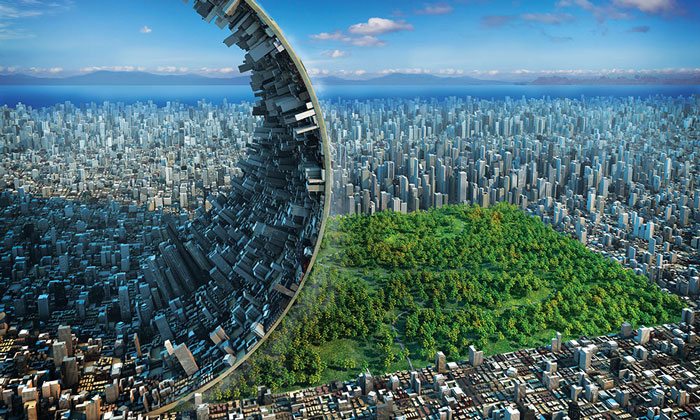
Sustainability and environmental risks in construction projects refer to potential adverse impacts on the environment and the ability to meet the needs of present and future generations. These risks can arise at various stages of a construction project and can have significant consequences if not properly addressed. Here are some common environmental and sustainability risks in construction projects:
Resource Depletion
Construction projects consume vast amounts of natural resources such as water, energy, timber, and minerals. Failure to manage and conserve these resources efficiently can deplete them and lead to long-term environmental damage.
Greenhouse Gas Emissions
Construction activities, including transportation, energy use, and material production, contribute to greenhouse gas emissions. These emissions contribute to climate change and can result in environmental degradation, extreme weather events, and rising sea levels.
Waste Generation
Construction generates substantial amounts of waste, including construction debris, packaging materials, and demolition waste. Inadequate waste management practices can lead to landfill overcrowding, soil and water pollution, and the loss of valuable resources.
Biodiversity and Loss
Construction projects often involve land clearing and habitat destruction, which can lead to the loss of biodiversity. Destruction of ecosystems and habitats can disrupt natural processes, harm plant and animal species, and negatively impact local ecosystems.
Water Management
Construction activities can affect water sources through excessive water consumption, improper sediment control, and contaminated runoff. Poor water management practices can deplete local water sources, pollute water bodies, and harm aquatic ecosystems.
Social Impacts
Sustainability risks in construction projects also extend to social aspects. Projects that disregard the needs and concerns of local communities can lead to social conflicts, displacement of vulnerable populations, and loss of cultural heritage.
Occupational Health and Safety
Construction sites pose risks to workers’ health and safety. Inadequate safety measures, exposure to hazardous substances, and unsafe working conditions can lead to accidents, injuries, and long-term health issues.
Lack of Sustainable Design
Failing to incorporate sustainable design principles from the early stages of a project can lead to inefficiencies, higher resource consumption, and increased environmental impacts throughout the project’s lifecycle.
To mitigate these risks, construction projects should adopt sustainable practices, such as incorporating green building standards, implementing efficient resource management strategies, promoting recycling and waste reduction, and engaging in stakeholder consultation and environmental impact assessments. Additionally, utilizing renewable energy sources, implementing sustainable water management practices, and prioritizing worker safety and well-being are crucial for sustainable construction projects.
Need Expert Guidance?
Looking to enhance your project risk management? Connect with us for expert insights and let’s drive your risk reporting forward together!


You can explore related articles below for more insights!


If you have any queries, you can contact through the channels: