
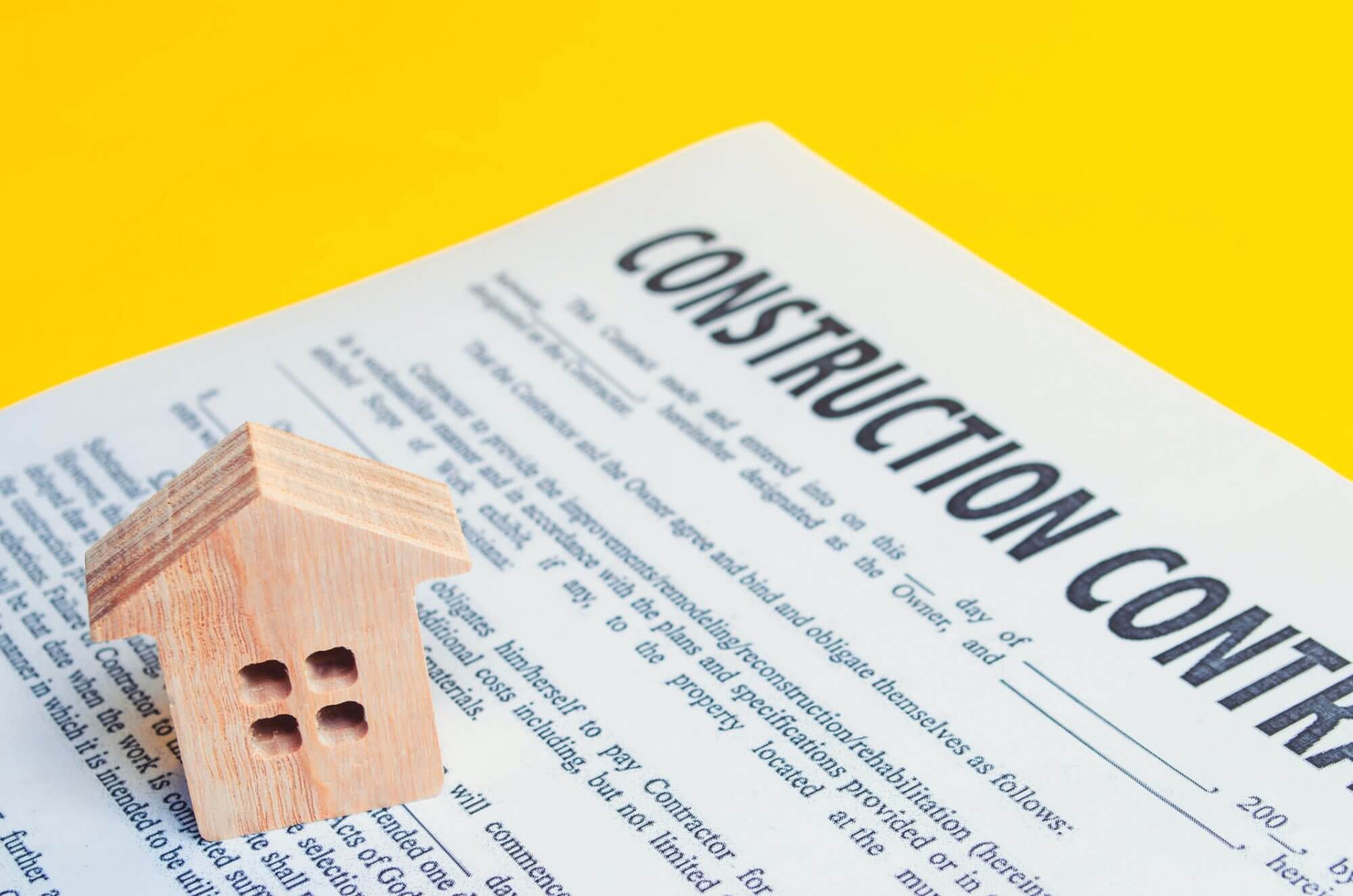
Construction projects thrive on punctuality. Delays can bring about financial losses and disruptions. That’s where liquidated damages in construction projects come into play. By actively participating in the negotiation and definition of these terms, clients can contribute to a collaborative and risk-mitigated construction process. The judicious use of liquidated damages ultimately fosters a win-win situation, ensuring timely project completion while safeguarding the interests of the client.
This blog post breaks down what liquidated damages are, why they matter in construction, and how to calculate them.
What are Liquated Damages?
Liquidated damages in construction projects are pre-agreed amounts in a contract to make up for losses due to delays. Both parties decide on these damages during contract talks. They aim to give a fair estimate of the real costs tied to delays.
Sharing Risks
- They help divide risks between the project owner and the contractor.
- Contractors can better understand the potential costs of delays, helping them set fair prices.
Encouraging Timeliness
- By setting consequences for delays, liquidated damages motivate contractors to finish on time.
- Owners benefit from having projects completed as planned, avoiding financial losses.
Predictability
- Liquidated damages in construction projects offer a fixed and expected amount for both parties.
- This eliminates the need for long legal battles to figure out actual damages if there’s a delay.
Calculating Liquidated Damages
Daily Rate: First, figure out the daily rate, a set amount for each day of delay agreed upon the contract.
Delay Period: Identify how many days the project is behind schedule. This is usually in calendar days.
Simple Multiplication: Multiply the daily rate by the number of delay days. The formula is: Liquidated Damages = Daily Rate × Delay Period.
Maximum Limit: Some contracts cap the total liquidated damages. This ensures fairness and avoids excessive penalties.
In construction contracts, liquidated damages in construction projects act as a clear and agreed-upon solution for possible financial impacts of delays. Both parties need to communicate well and clearly define these terms to promote successful project completion without disputes.
Request An Introduction:
Looking to enhance your claim awareness? Connect with us for expert insights and let’s solve your contractual issues together!


You can explore related articles below for more insights!


If you have any queries, you can contact through the channels: